Helping You Speak “Dog” the Easy Way
Have you ever noticed your dog licking their lips when there’s no food around? Or yawning even when they’re wide awake? These little behaviours might seem random, but they’re actually your dog’s way of communicating!
Dogs are incredibly social animals, and although they don’t use words like we do, they’re “talking” all the time—through body language. One of the most important things they use are calming signals, a concept made famous by Norwegian dog trainer and behaviourist Turid Rugaas in her book On Talking Terms with Dogs: Calming Signals. We are learning more and more about the complex language of dogs daily but I thought it would be useful to share some of the main insights regarding this topic.
So What Are Calming Signals?
Calming signals are a dog’s way of keeping the peace. They’re used to avoid conflict, calm themselves down, or show others they’re not a threat.
Alongside calming signals, dogs also use something called Displacement Behaviours.
Displacement behaviours are slightly different—they’re things dogs do when they’re feeling unsure or conflicted. These subtle signs might seem out of place , but they help dogs cope with emotional pressure, deal with stress, tension, or uncertainty—like when you feel awkward and suddenly pretend to check your phone!
Some behaviours can be both calming and displacement signals—it depends on context. For example:
- A dog yawning at the vet? Likely a displacement behaviour due to stress.
- A dog yawning while another dog stares at them? Likely a calming signal.
Modern research into dog behaviour supports what Turid Rugaas and other behaviourists have observed: dogs are constantly communicating with us and each other, and these signals play a big role in their social world.
Let’s take a closer look at what these signals are, why they matter, and how you can spot them in your own dog.
Common Calming and Displacement Signals (with Everyday Examples)
Calming Signals (Clear Social Communication)
1. Approaching in an Arc or Curve
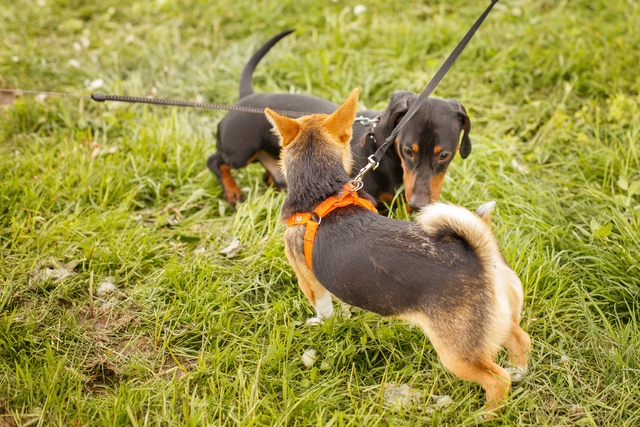
What it looks like: Walking in a curve rather than straight up to another dog or person
What it means: “I’m friendly, no need to worry.”
Example: Your dog doesn’t walk straight to another dog at the park, but loops around in an arc. That’s a classic calming signal in doggy etiquette.
2. Turning the Head or Body Away
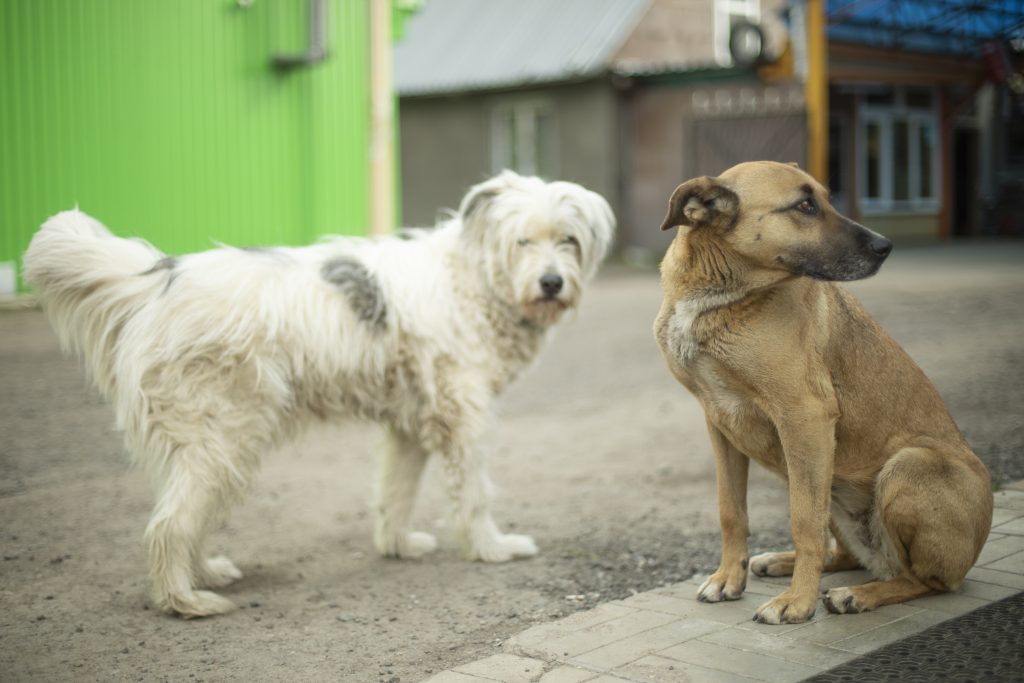
What it looks like: The dog looks away, turns their body, or avoids eye contact.
What it means: “I’m not a threat” or “I’d prefer a bit of space.”
Example: A stranger leans in for a pat, and your dog turns their head away. That’s their way of diffusing the tension they feel. Notably most dogs don’t enjoy their heads been touched.
3. Blinking or Squinting
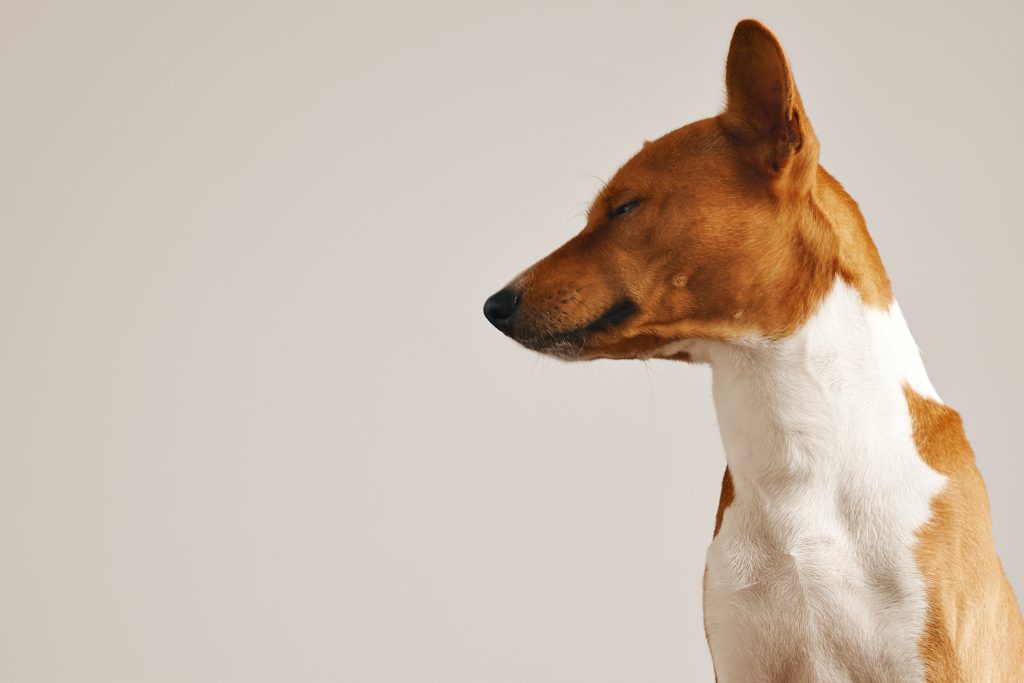
What it looks like: Slow blinking or softened eyes.
What it means: “I come in peace.”
Example: You’re grooming your dog and they give you a few slow blinks. It’s a sign they’re trying to keep things gentle and calm.
4. Splitting up / Coming between
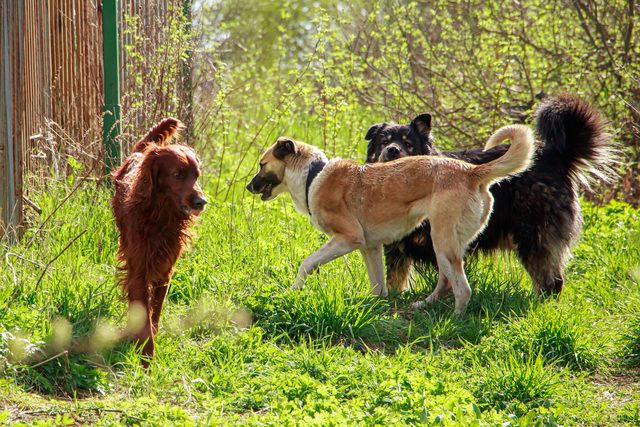
What it looks like: A dog moves between two people or dogs, often calmly.
What it means: “Let’s keep this from getting tense.”
Example: If two dogs are getting rowdy, a third dog might walk between them to break it up. Dogs sometimes do this when people hug or interact closely—this is a peace keeping gesture, aimed at diffusion tension or excitement, they’re trying to calm things down.
Displacement Behaviours (Out-of-Context Stress Responses)
1. Sniffing the Ground (Out of Context)
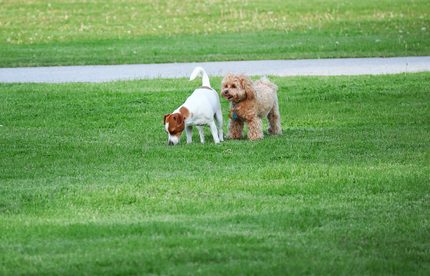
What it looks like: Your dog suddenly lowers their head and sniffs the floor or grass—even when there’s nothing of interest.
What it means: “I’m unsure what to do next,” or “I’d rather disengage.”
Example: Another dog is approaching on a walk, and your dog suddenly starts sniffing a patch of grass. They’re trying to avoid direct confrontation or delay the moment.
2. Shaking Off
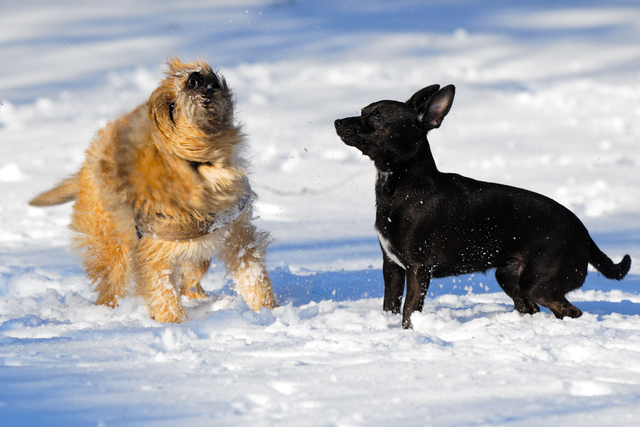
What it looks like: A full-body shake, like after a swim, even though the dog is dry
What it means: “That was a bit much” or “I need to reset myself.”
Example: After greeting a group of strangers at the gate, your dog walks away and shakes off. They’re releasing some emotional tension.
3. Scratching (Out of Context)
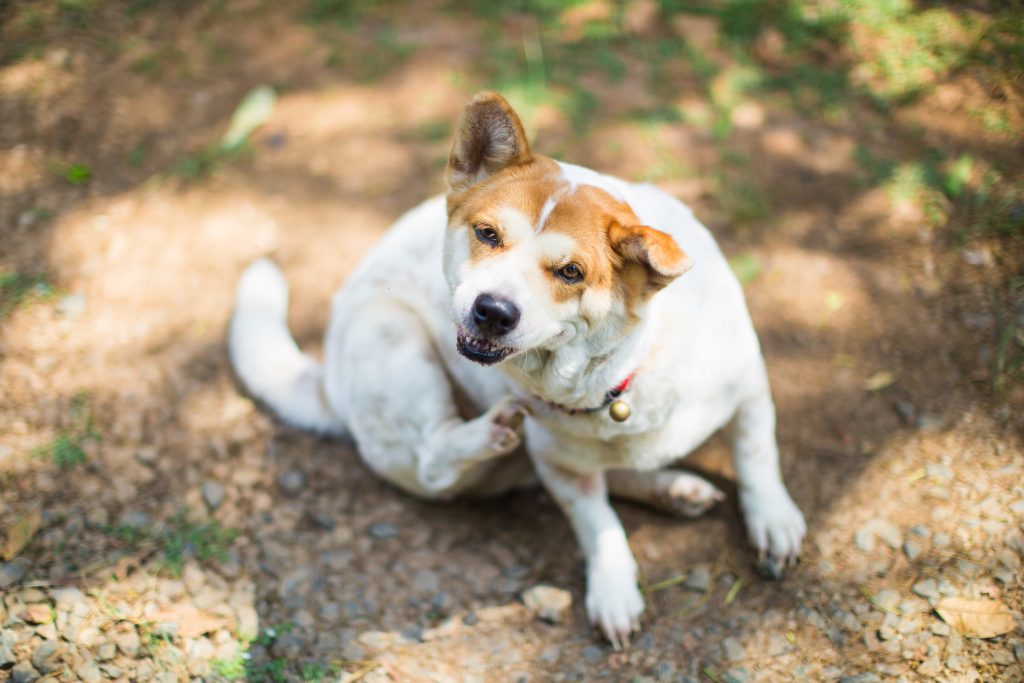
What it looks like: A quick scratch at the neck, shoulder, or ear—without a real itch or flea issue.
What it means: “I’m feeling unsure or conflicted.”
Example: During a training session, just after you ask your dog to sit, they suddenly start scratching. It may not be a true itch— it’s about feeling pressured.
4. Grooming or Paw Licking
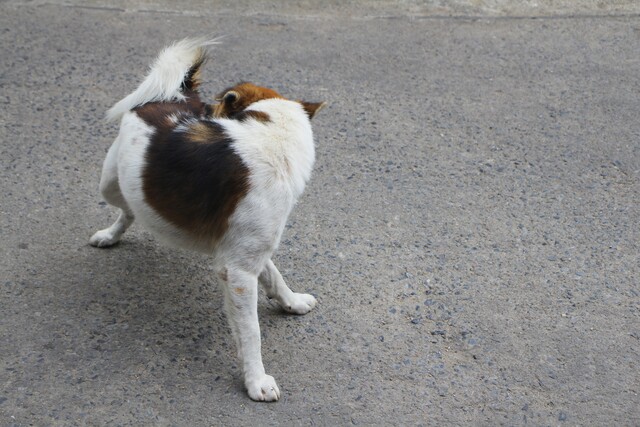
What it looks like: Licking or chewing at their paws or coat without an obvious physical cause.
What it means: “I’m trying to soothe myself.”
Example: When guests arrive, your dog retreats to their bed and starts licking their front paw. This can be a comfort-seeking behaviour linked to stress.
5. Excessive Drinking
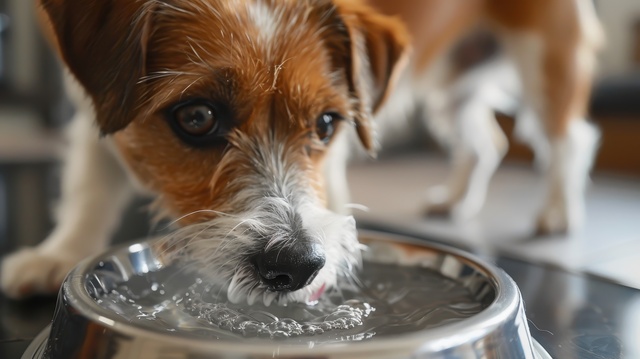
What it looks like: Drinking a lot more water than usual, especially in a new or stressful environment.
What it means: “I’m feeling unsettled.”
Example: At doggy daycare for the first time, your dog keeps going to the water bowl every few minutes. It might not be thirst—but could be a sign of anxiety.
6. Sudden Stretching
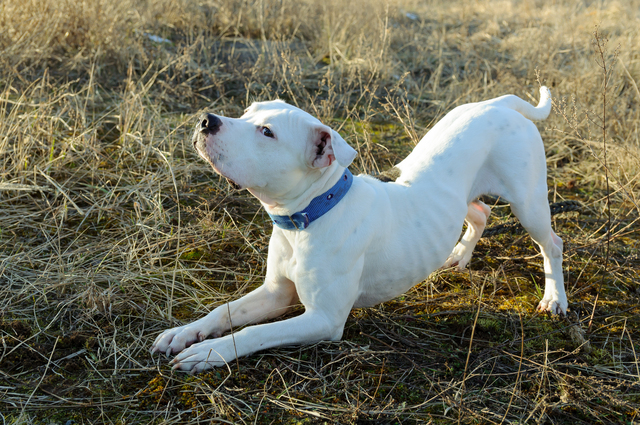
What it looks like: A full-body stretch in the middle of an unrelated activity.
What it means: “I’m feeling a bit conflicted or stressed.”
Example: You call your dog inside during a noisy thunderstorm, and instead of coming, they pause and do a long stretch at the door.
The following behaviours can be both Calming or Displacement, depending on the situation and what happens before or after.
1. Yawning
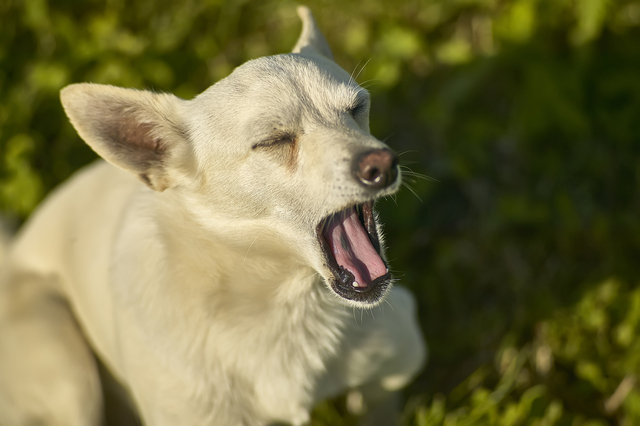
What it looks like: A slow, exaggerated yawn.
As a Calming Signal: When a dog is being approached and yawns while looking away, it’s a peace offering—a way to say “I’m calm, please be calm too.”
As a Displacement Behaviour: At the vet or during a stressful car ride, repeated yawning is your dog’s way of self-soothing—trying to cope with internal tension.
Look at the whole picture: is your dog relaxed and trying to calm another, or overwhelmed and trying to calm themselves?
2. Lip Licking / Tongue Flicking
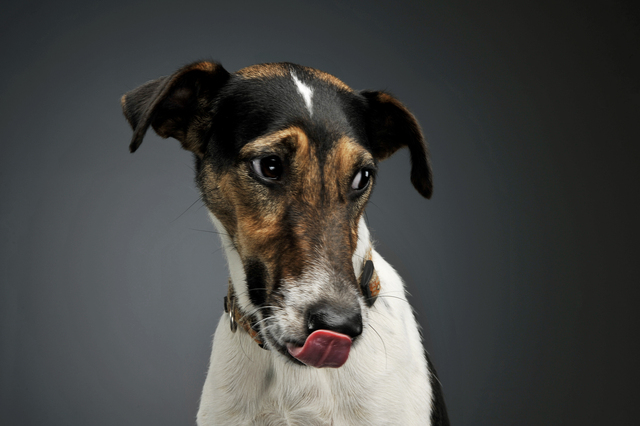
What it looks like: A quick flick of the tongue over the lips or nose.
As a Calming Signal: When another dog stares or moves in quickly, your dog might flick their tongue as a gentle signal to de-escalate tension: “I’m no threat.”
As a Displacement Behaviour: If you raise your voice or approach too quickly, your dog might do the same gesture— but this time it’s a stress reaction.
This is a very subtle but meaningful gesture. Note the surrounding body language and situation.
3. Slow Movement or Freezing
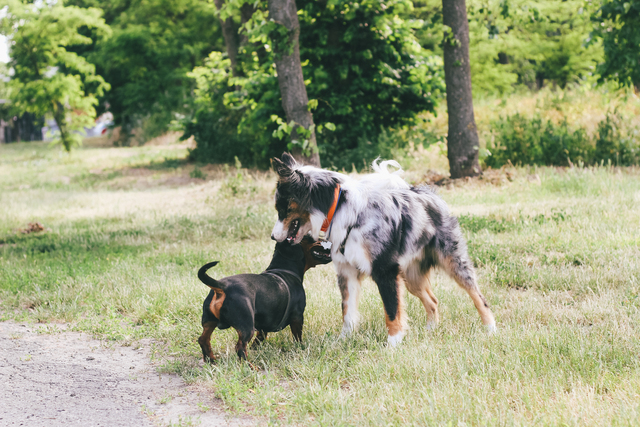
What it looks like: Your dog suddenly goes stiff or stops moving for a moment.
As a Calming Signal: Your dog may approach another dog in a slow, fluid manner to avoid triggering a defensive response. This is intentional and socially appropriate.
As a Displacement Behaviour: In contrast, if your dog freezes at the doorway because of fireworks or loud noises outside, it reflects internal conflict and uncertainty.
Speed, posture, and the dog’s environment matter here. Is it social politeness—or emotional paralysis?
4.Sitting or Lying Down (Sphinx position)
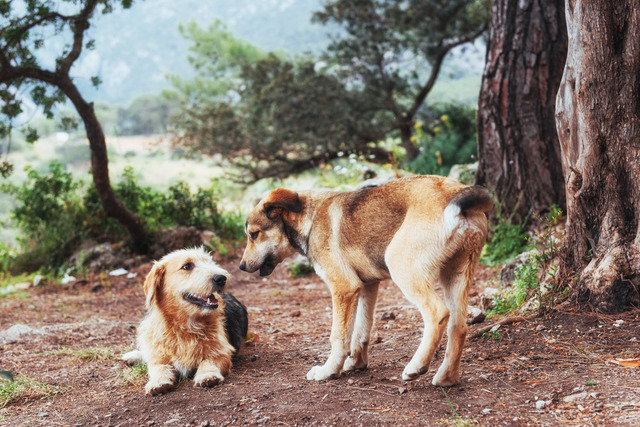
As a Calming Signal: During energetic play, one dog might suddenly lie down to pause the action, encouraging the other to chill and keep things safe.
As a Displacement Behaviour: A dog might also sit or lie down during a training session—not because they’re settled, but because they feel overwhelmed or unsure.
Always ask: is the dog truly relaxed, or trying to escape from pressure in a socially acceptable way?
5. Handicapping Themselves
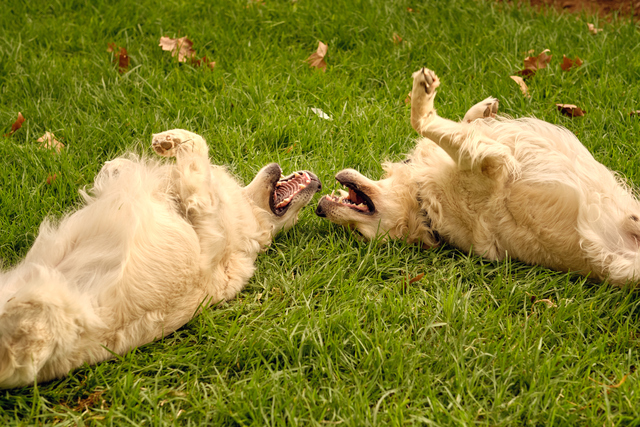
What it looks like:
A larger or more confident dog will lower their body, move more slowly, or even lie down during play.
They might roll onto their side or back, allowing the other dog to “win” or climb over them.
You may see playful mouthing with soft bites, exaggerated or floppy movements, or a dog using only their front legs to initiate play.
Sometimes, they’ll pause or freeze momentarily to let the other dog catch up or regain confidence.
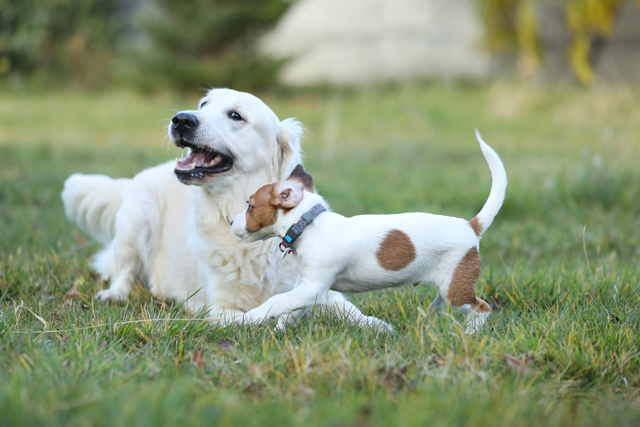
As a Calming Signal: This is often seen in dogs with good social skills and emotional intelligence. They use handicapping intentionally to say: “I’m not a threat” or “You can trust me”, “Let’s keep things fun and safe”.
Example: A bouncy Golden Retriever plays with a nervous puppy. The Goldie lies down, paws forward, tail wagging low, and play-bows while staying still. The puppy approaches slowly, and the Goldie remains gentle and grounded, using soft mouthing and letting the other dog lead. This is handicapping used to encourage and calm the other dog.
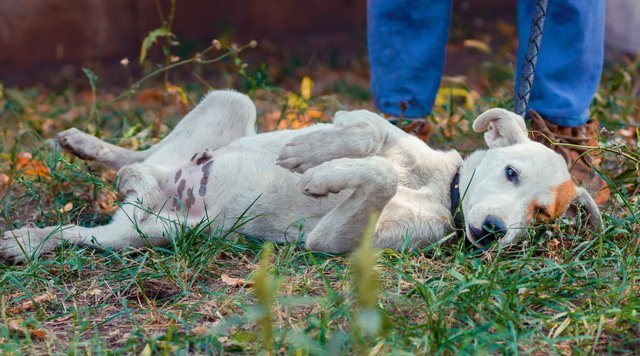
As a Displacement Behaviour: In some cases, a dog might “handicap” themselves—such as lying down, rolling over, or freezing—not to calm the other, but because they feel overwhelmed, worried, or socially conflicted.
Example: A more assertive dog approaches your dog quickly. Your dog drops into a lying position or rolls onto their back without wagging, freezes, or avoids eye contact. Their body is stiff, and they seem “stuck.” This is not an invitation to play—it’s a stress signal or a strategy to avoid conflict.
This behaviour is especially common in puppies, sensitive dogs, and dogs in early socialisation stages. Lying down, rolling over, or softening one’s body puts a dog in a physically vulnerable state.
If another dog is too aroused or lacks impulse control, they might:
- Rush in and invade the other dogs space too abruptly
- Bump into them or Bowl them over
- Mount/hump them,
- Snap, growl or bark
This can be frightening and even physically harmful, especially to puppies, older dogs, sensitive individuals or even dogs struggling with pain.
It Can Lead to Miscommunication or Conflict
When polite or peacekeeping behaviours are misunderstood or ignored, dogs may feel:
- Confused: “I gave the right signals—why didn’t it work?”
- Threatened: “That dog is ignoring all my signals—do I have to escalate?”
- Learned helplessness: “No point in trying—I’ll just avoid dogs altogether.”
Over time, this can damage their social confidence and may even contribute to reactivity, avoidance or defensive behaviour.
This is one of the reason we try encourage pet parents to prevent their dogs rushing up to unknow dogs off lead.
Dogs that offer handicapping are doing everything right—but they still need you as their advocate. By protecting and reinforcing their social efforts, you’re supporting their confidence and helping all dogs around them learn better ways to interact.
However even confident adult dogs will use handicapping as a social tool when playing or calming a group dynamic.
6. Play Bow
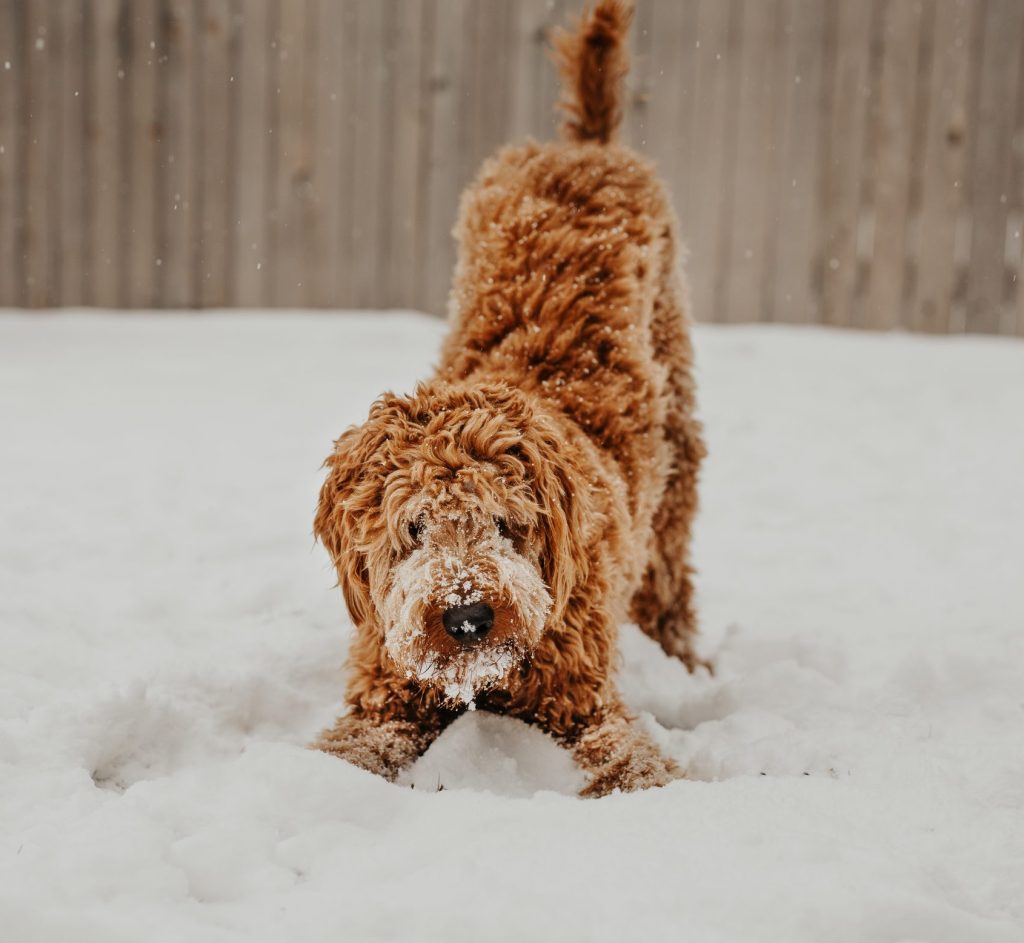
What it looks like: Front legs stretched out, back end up, often with tail wagging.
As a Calming Signal: A relaxed, bouncy play bow is an invitation to play or a way to diffuse tension after a rough moment. It says, “Let’s be friends!” or “Let’s keep things light!”
As a Displacement Behaviour: But if a dog is unsure or anxious, they might offer a play bow to redirect discomfort. If it’s followed by stiff movement, avoidance, or snappy play, it may not be a genuine invite.
Watch what happens before and after the bow to decode what it really means.
While the play bow is usually friendly, context matters. Some dogs may use it as a way to test the waters—inviting play but also checking the other dog’s reaction.
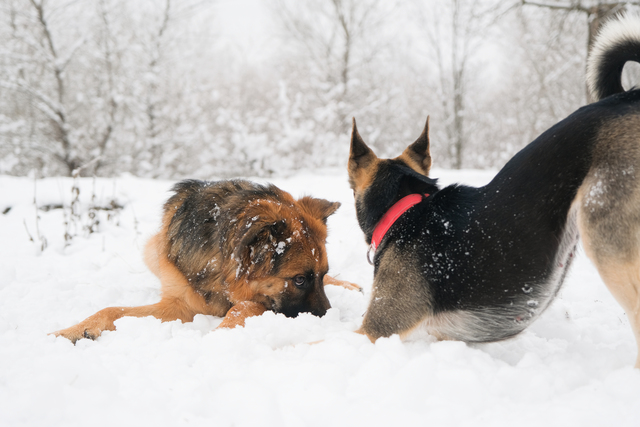
Others might follow up the bow with overly rough or pushy behaviour. Sometimes, dogs who are feeling unsure may use a play bow to redirect tension, not necessarily to start actual play.
That’s why it’s important to watch what happens next. A genuine play bow is usually followed by relaxed, bouncy movements.
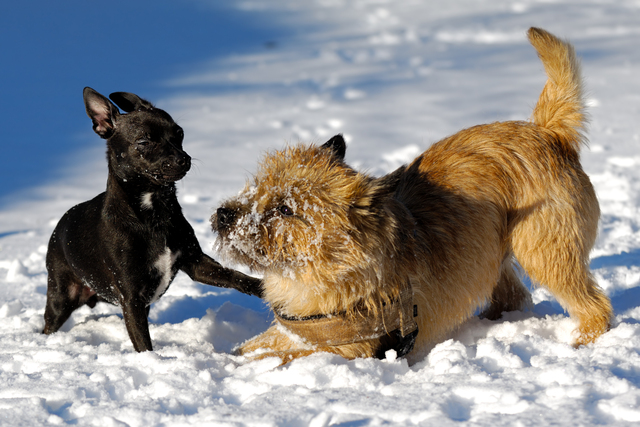
If you see stiff posture, hard staring, or quick, intense action afterwards, the play bow might have been more about managing social pressure than pure fun.
Understanding this nuance helps prevent misunderstandings between dogs—and keeps playtime safe and positive for everyone.
What This Means for You
Dog communication is complex, and many behaviours can mean different things depending on context. The key is to:
- Look at the full body: tail, eyes, ears, posture.
- Consider what’s happening in the environment.
- Watch for patterns and changes over time.
Why Is This Important?
Understanding these signals helps you:
- Recognise when your dog is feeling stressed
- Respond appropriately instead of misinterpreting behaviour
- Strengthen your bond and build trust
- Avoid situations that could escalate into aggression
What You Can Do as a Dog Guardian
Observe: Watch your dog in different settings—at home, on walks, with other dogs. What signals do you notice?
Respect their space: If your dog gives a calming signal, slow things down and give them space.
Avoid punishment: These signals are healthy coping mechanisms. Never punish your dog for showing them.
Offer protection: Body-block a dog rushing at your dog or recall your dog before they reach the polite dog.
Support, don’t pressure: If your dog is trying to communicate discomfort, don’t force them into a situation they’re not ready for, INSTEAD create distance and a safe space so they can process how they are feeling.
You don’t need to be an expert to start understanding your dog—just someone who’s paying attention. Learning to recognise calming and displacement signals will help you understand what your dog is really feeling, so you can respond in a way that makes them feel safe and supported.
Dogs that feel heard and understood are more relaxed, confident, and cooperative
Next time your dog turns away, yawns, or sniffs the ground, smile and say, “I see you.” You’ll be amazed at how much safer they will feel and the more connected you will feel to them.
With Love, Lara


