
How Pain Impacts Canine Behaviour
Pain is a powerful force that can shape a dog’s behaviour in ways that are often misunderstood. When a dog experiences discomfort, their responses can range from subtle shifts in movement to dramatic changes in personality. What might appear as anxiety, aggression, or stubbornness is sometimes a dog’s way of saying, “I hurt.” Understanding how pain affects behaviour is essential for ensuring our dogs receive the care and support they need to live comfortable, happy lives.
The Link Between Pain and Behaviour
Pain alters a dog’s perception of the world, lowering their tolerance to everyday stimuli. Dr Daniel Mills notes that pain can make dogs more reactive, as their threshold for stress is reduced. Furthermore, Dr Kathy Murphy explains that chronic pain can reshape neurological pathways, making even neutral experiences feel overwhelming or threatening. This heightened state of alertness can cause behaviours often mistaken for fear, aggression, or hyperactivity. Recognising the connection between discomfort and behaviour helps us approach these changes with empathy rather than frustration.
Subtle Signs of Pain in Dogs
1. Avoidance, Irritability, and Sensitivity

A dog in pain may become unusually irritable or sensitive to touch. They might flinch, growl, or snap when handled, particularly around sore areas. Avoidance behaviours—such as backing away, hiding, or refusing petting—are often misinterpreted as fear or disobedience, when in reality, the dog is simply trying to protect themselves from further discomfort. For instance, a dog with arthritis may shy away from hip contact, while a dog with an ear infection may duck away from contact with their head or ears.
2. Displacement Behaviours and Self-Soothing
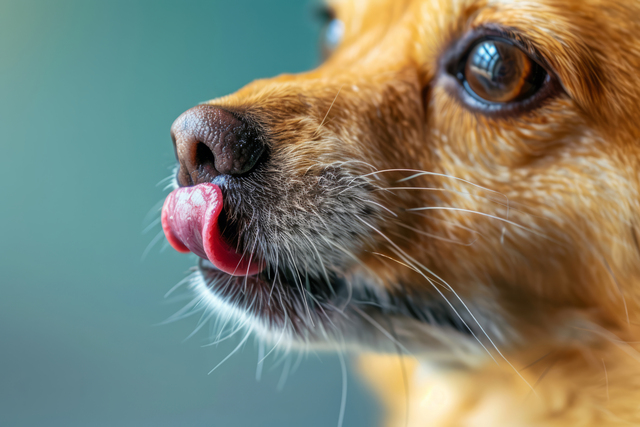
Dogs experiencing discomfort often display displacement behaviours—actions that seem unrelated to their situation but serve as coping mechanisms. Frequent yawning, excessive lip-licking, scratching, or shaking off can be indicators of underlying pain rather than just stress. A dog with jaw pain may yawn excessively, while one with a sore neck might repeatedly lick its lips to self-soothe.
3. Changes in Social Interactions
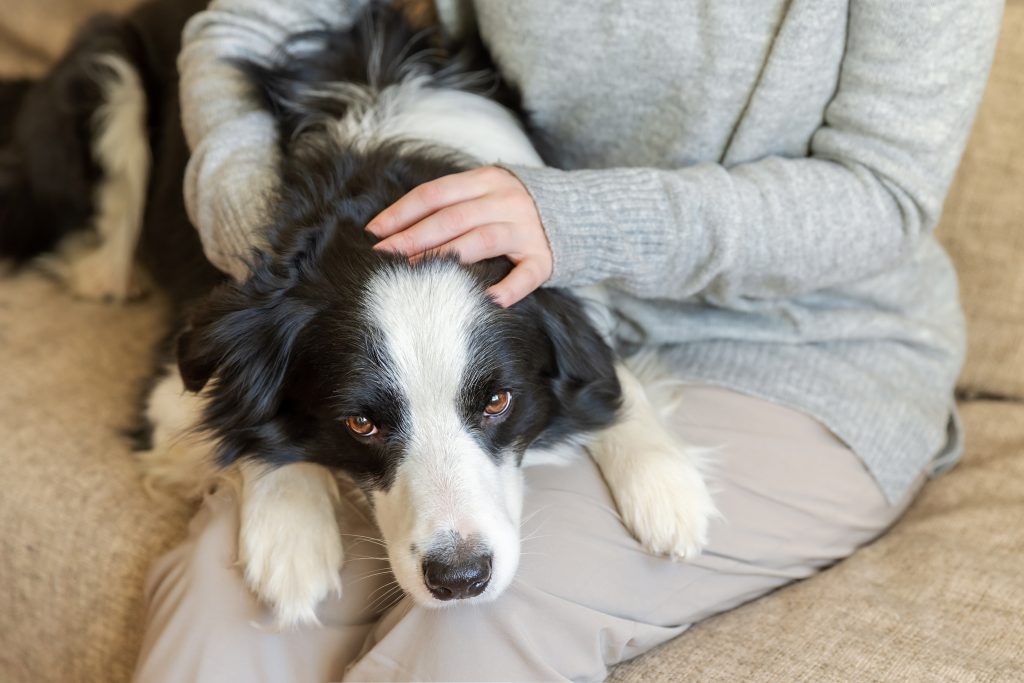
A dog in pain may withdraw from social interactions or, conversely, become overly clingy. A typically friendly dog might avoid play, seem distant, or prefer solitude. Others may seek constant reassurance from their caregivers, leaning on them for comfort. These shifts in behaviour are sometimes mistaken for personality changes or training regression. For example, a dog with joint pain may stop roughhousing with a canine friend they usually are happy socialising with.
4. Reluctance to Move or Play
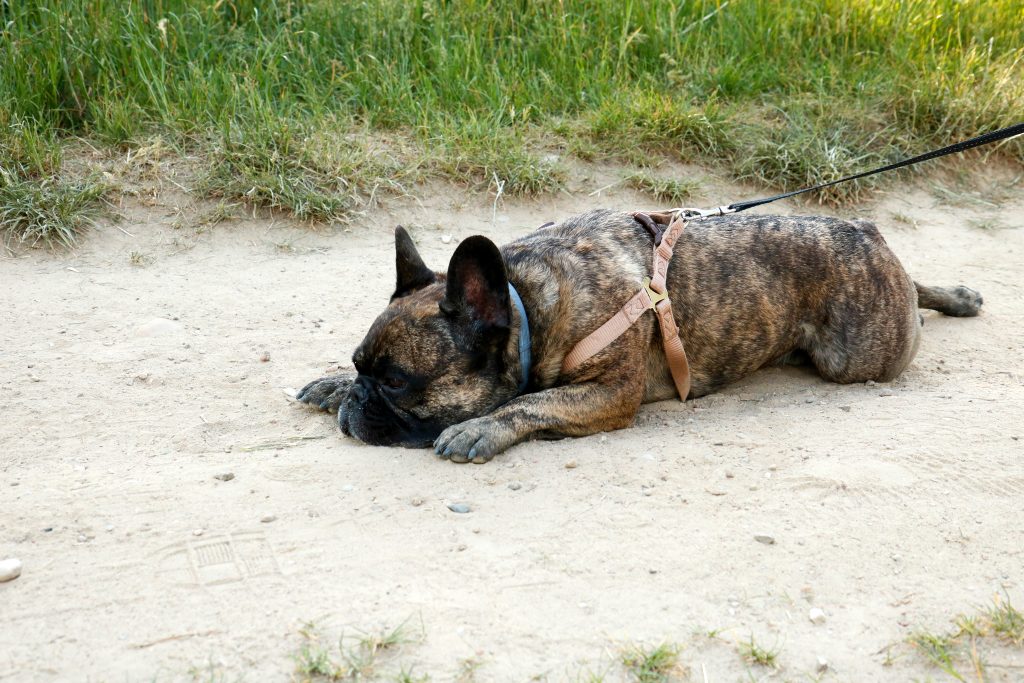
Pain often limits a dog’s willingness to engage in physical activity. A once-playful dog that suddenly refuses to run, jump, or climb stairs may not be lazy or ageing—they may simply be in discomfort. Hesitation in movements like sitting, standing, or lying down can signal joint or spinal discomfort. If a dog suddenly struggles to follow basic cues like “sit” or “down,” it may be because these actions are physically painful, not because they are being stubborn.
5. Compulsive Grooming
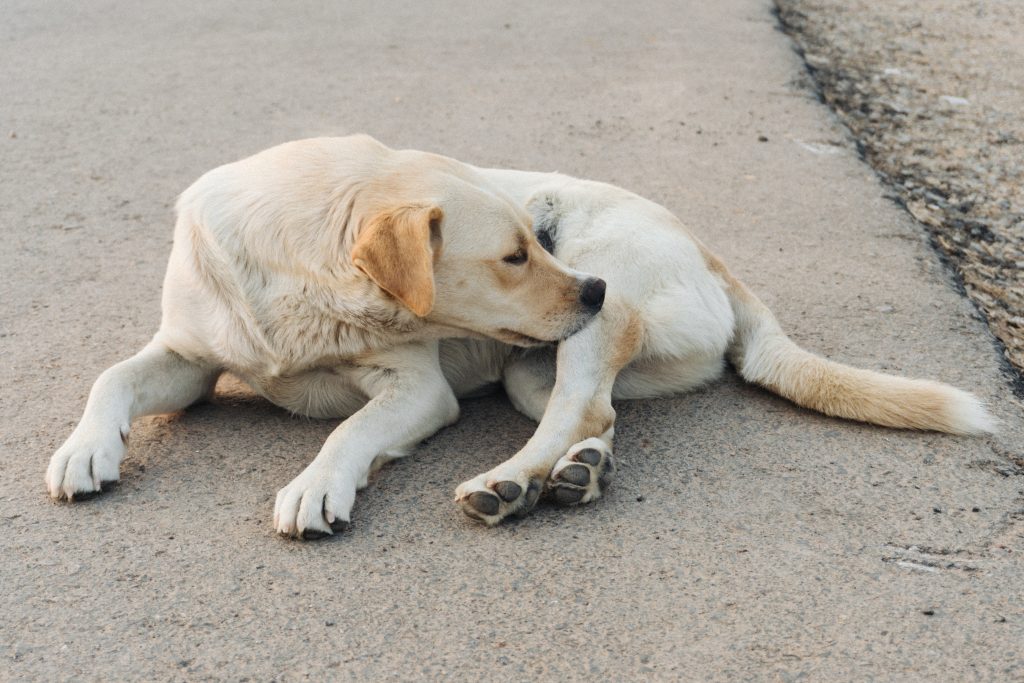
Dogs experiencing chronic pain may excessively lick, chew, or nibble at certain areas of their body in an attempt to self-soothe. This behaviour is common in dogs with arthritis, nerve pain, or skin irritation. Chronic licking can lead to issues like acral lick dermatitis (lick granulomas), where constant irritation causes sores and infections. Many owners mistake this for boredom or anxiety, but addressing the underlying discomfort can often resolve the behaviour.
6. Increased Reactivity or Defensiveness

Pain can make dogs more defensive, leading to growling, snapping, or even lunging in situations they previously tolerated. This is frequently mistaken for aggression when, in reality, the dog is simply trying to protect themselves from further pain. For example, a dog with hip dysplasia may lash out if another dog bumps into them, not out of hostility, but to avoid exacerbating their discomfort.
7. Changes in Eating and Sleeping Patterns

Discomfort can disrupt a dog’s sleep and appetite. A dog in pain may struggle to find a comfortable sleeping position, leading to frequent restlessness. Decreased appetite can occur if chewing, swallowing, or bending down to the food bowl is painful. Gastrointestinal pain, such as from ulcers or inflammatory bowel disease, can also lead to irritability, pacing, or even aggression when their abdomen is touched. Recognising these changes can help pinpoint discomfort before it worsens.
8. Hyperactivity and Restlessness
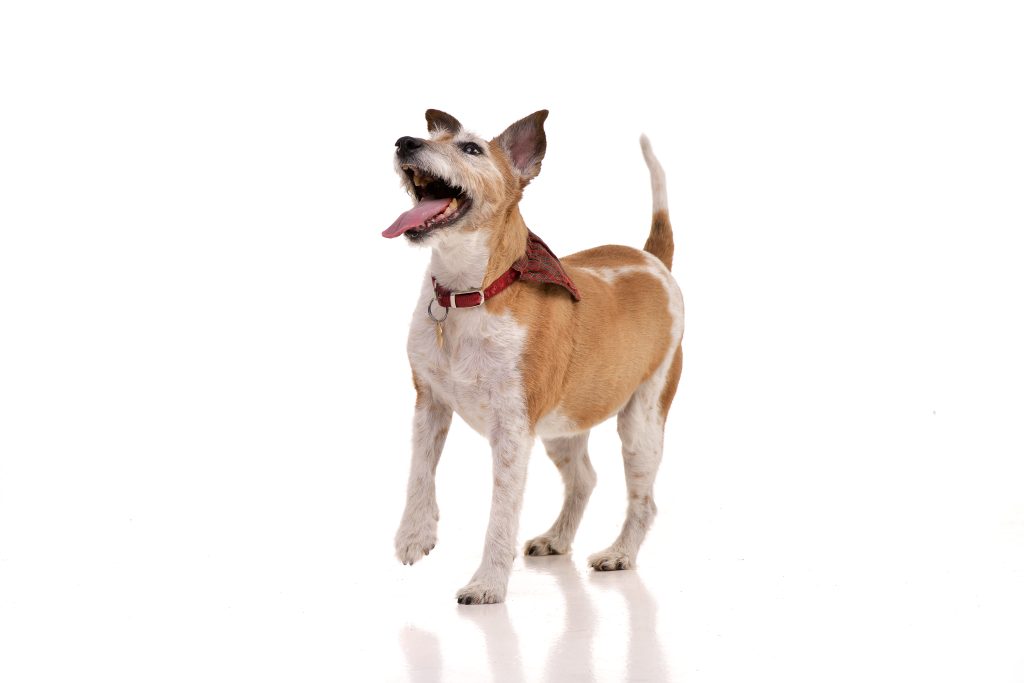
Some dogs react to pain with increased activity, appearing restless or hyperactive as a distraction from discomfort. Pacing, barking, or difficulty settling down can be mistaken for anxiety or excess energy when, in reality, the dog is struggling to find relief. Constantly shifting positions or engaging in repetitive behaviours like tail-chasing can be signs of underlying pain that need to be addressed.
9. Resource Guarding

Pain can make dogs more protective of their food, toys, or resting spaces. This is often due to a heightened sense of vulnerability. A dog with joint pain may guard their bed, not wanting to be disturbed, while a dog with dental pain may become defensive over food, hesitant to eat but reacting if approached. Understanding this shift can prevent unnecessary conflict and help address the root cause of the guarding behaviour.
10. Unusual Postures or Movement Pattern
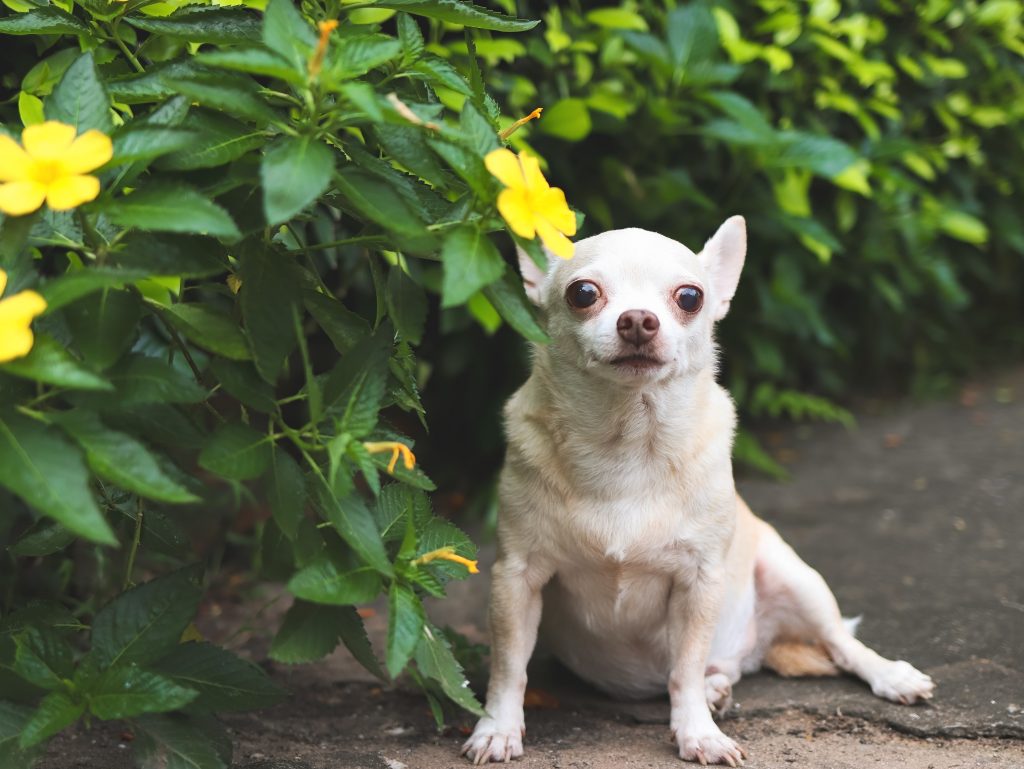
Pain often causes subtle changes in a dog’s posture and movement. Some dogs compensate by shifting weight off a sore limb, walking stiffly, or sitting awkwardly. A dog with back pain may arch their spine, while one with inner ear discomfort may tilt their head frequently. These changes are often attributed to ageing or quirks, but they can be important indicators of discomfort that should not be ignored.
Pain often causes subtle changes in a dog’s posture and movement. Some dogs compensate by shifting weight off a sore limb, walking stiffly, or sitting awkwardly. A dog with back pain may arch their spine, while one with inner ear discomfort may tilt their head frequently. These changes are often attributed to ageing or quirks, but they can be important indicators of discomfort that should not be ignored.
Understanding how pain influences behaviour is crucial for improving a dog’s well-being. If you suspect your dog may be experiencing discomfort, consult a veterinarian for a thorough examination, which may include physical assessments, imaging, or pain management plans.
Additionally, a Dynamic Dog Practitioner can assess subtle postural imbalances and gait abnormalities that indicate hidden discomfort, providing a comprehensive observational report for your vet.
Treatment options range from pain relief medication and physiotherapy to alternative therapies such as hydrotherapy, acupuncture, and massage therapy. Simple adjustments, such as orthopaedic bedding, dietary changes, or modifying exercise routines, can also make a significant difference in a dog’s comfort.
By addressing pain at its source, we can help our dogs live happier, healthier, and more relaxed lives.
With love, Lara


